Do You Need Your Own Car to Drive for Uber or DiDi?
The honest answer on whether you need your own car for Uber or DiDi, and what your real options are.
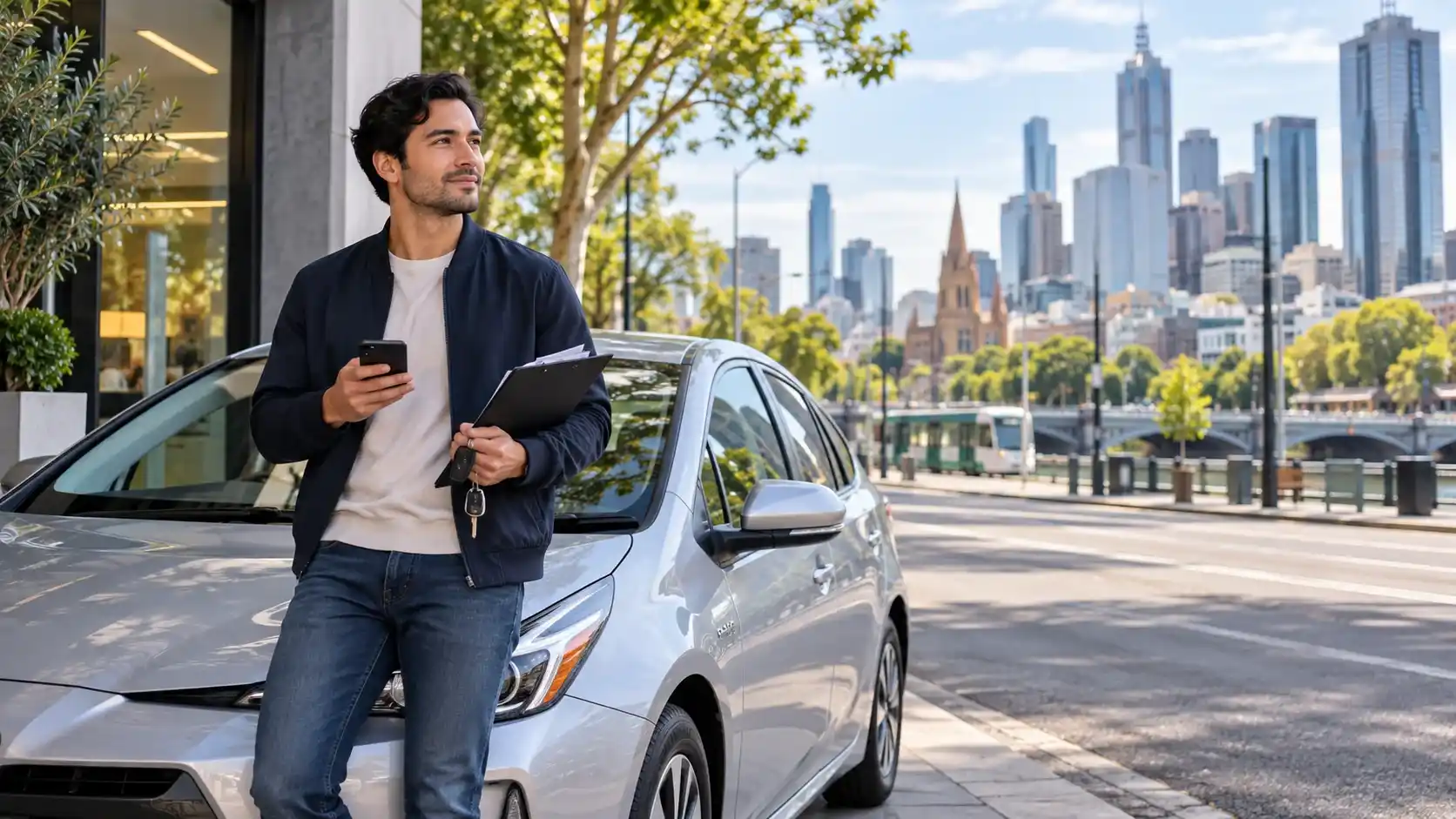
No, you do not need your own car to drive for Uber or DiDi. Both platforms only require that the vehicle you use meets their current standards and is correctly listed on your account with matching insurance, not that you personally own it. This is one of the most common questions from first-time applicants, and it is usually answered vaguely on forums rather than clearly. A short-term hybrid rental from SOZO Rent a Car in Brunswick is one practical way to meet that requirement without buying a car first.
This guide walks through your real options, what each one actually costs and commits you to, and how renting works as an entry point if you are still deciding whether rideshare driving suits you.
Short answer: no, ownership is not required
Uber and DiDi both assess the vehicle, not who holds the title. As long as the car meets the platform's age, condition and insurance standards, and you are correctly listed as the driver, it does not matter whether you own it, rent it, or borrow it from a family member. Always confirm the current vehicle listing requirements in the Uber or DiDi app before you finalise any vehicle arrangement, since the exact documentation each platform asks for can change.
Your three main options for getting a car
1. Buy a car outright
You own the vehicle and can use it for rideshare, personal use, or sell it later. This suits drivers who already know they are committing to rideshare work long term. It ties up capital upfront and carries the usual ownership costs: registration, servicing, depreciation and any loan repayments if it is not bought outright.
2. Rent week to week
You pay a daily or weekly rate with no lock-in contract, and can extend or stop as your circumstances change. This suits drivers testing whether rideshare work fits their schedule, or anyone who wants a qualifying vehicle without the delay and risk of buying one before they have driven a single trip.
3. Finance or subscription-style arrangements
Some providers in the Melbourne rideshare market offer finance or subscription models aimed at drivers working toward eventual ownership. These typically involve a longer commitment than a simple weekly rental and are structured more like a finance product. If ownership at the end of the term matters to you, this is worth comparing directly against the provider's own published terms.
How renting works as an entry point
Renting solves the specific problem most new applicants hit: you cannot know for certain whether rideshare driving suits your schedule, energy, and local traffic conditions until you have actually done it for a week or two. A no-lock-in weekly rental from Brunswick lets you start driving, cover your fuel and running costs from real earnings, and decide from experience rather than guesswork whether to keep renting, extend, or eventually buy. If you have not started your platform application yet, how to become an Uber driver in Melbourne and how to become a DiDi driver in Melbourne both walk through the sign-up steps in detail.
What renting doesn't cover
A rental solves the vehicle question, not the whole application. You still need to arrange your own ABN, Commercial Passenger Vehicle (CPV) accreditation, and platform account approval directly with Uber or DiDi. SOZO supplies the car and its stated comprehensive insurance, not platform eligibility, so check current vehicle and driver rules in the Uber or DiDi app before you book, since tier and age requirements do shift.
Own vs rent vs finance: a simple comparison
Figures below are illustrative, based on SOZO's published rates for a Toyota Corolla Hybrid at $40/day plus $20/day comprehensive insurance. Buying and finance costs vary by provider and vehicle, so treat those columns as general patterns rather than fixed numbers.
|
Factor |
Buy outright |
Rent week to week (SOZO) |
Finance or subscription |
|
Upfront cost |
High, full purchase price |
Low, refundable deposit only |
Varies by provider |
|
Weekly cost |
None, or loan repayments |
About $420 for a Corolla Hybrid |
Varies; confirm with provider |
|
Commitment |
Long term, resale needed to exit |
No lock-in, extend week to week |
Usually a fixed term |
|
Servicing and roadside |
Owner's responsibility |
Included in SOZO's rental |
Varies by provider |
|
Best for |
Confirmed long-term drivers |
Testing the work, flexibility |
Drivers wanting eventual ownership |
Fuel, tolls and any infringements sit with the driver in all three arrangements. For current SOZO rates across the fleet, see the pricing page.
Which option makes sense for you
If you already know rideshare driving is a long-term plan, and you have the capital, buying can make sense. If you are still deciding, or want to avoid a high upfront cost before your first trip, renting week to week removes the ownership question entirely while you find out. Check current rideshare rental options with SOZO in Brunswick, or call +61 430 090 545 to see what is available this week.
Frequently asked questions
Do I need to own a car to drive for Uber or DiDi in Melbourne?
No. Both platforms require the vehicle to meet their standards and be correctly listed on your account, not that you own it. Renting, borrowing or financing a qualifying car are all accepted approaches, provided the registration and insurance details match what you submit to the platform.
Is it cheaper to rent or buy a car for rideshare driving?
It depends on how long you plan to drive. Renting avoids a high upfront cost and includes servicing, which suits testing the work first. Buying can be cheaper over the long term if you know you will drive consistently, but it carries ownership risk if your plans change. Compare your expected weekly hours before deciding.
Can I use a rented car for both Uber and DiDi?
Generally, yes, as long as the vehicle meets both platforms' current requirements and you list it correctly on each account you drive under. Many drivers use the same rental car across Uber and DiDi. Confirm each platform's specific vehicle listing process in its own app before your first shift.
What is the catch with renting instead of buying?
There is no catch, but renting does not build equity in a vehicle the way buying does, and weekly rental costs continue for as long as you drive. It suits flexibility and lower upfront risk rather than long-term asset ownership. Many drivers rent while deciding, then reassess once they know their real weekly hours.
How quickly can I start driving if I rent instead of buying?
Renting removes the delay of sourcing and buying a qualifying car, so you can often collect a vehicle within days rather than weeks. Your overall start date still depends on ABN registration, CPV accreditation, and platform account approval, which run on their own timelines regardless of how you arrange your vehicle.
More Blogs
Best Suburbs in Melbourne for Uber and DiDi Drivers to Start Shifts
A local driver's guide to the best Melbourne suburbs for starting Uber and DiDi shifts.
How Many Hours Do Uber Drivers Work Melbourne? A Realistic Breakdown
A realistic breakdown of how many hours Uber drivers in Melbourne typically work each week.
First Week as an Uber Driver: What to Expect in Melbourne
A realistic, practical guide to your first week driving for Uber in Melbourne.
